
If you own a home with a septic system in Fresno or anywhere in the Central Valley, you may be wondering how often you really need to pump your septic tank. While many homeowners assume it’s a once-in-a-lifetime event, the reality is that regular maintenance is crucial to avoid backups, odors, and costly repairs.
So, how often should you pump your septic tank? The answer depends on several factors, including household size, tank capacity, and water usage. But here’s a hint: most people need to pump more often than they think.
Factors That Determine How Often You Should Pump Your Septic Tank
1. Household Size & Water Usage
The more people in your home, the more wastewater your septic system processes daily. A family of five, for example, will fill a septic tank much faster than a household of two.
Frequent laundry loads, long showers, and heavy water use from dishwashers can also speed up the need for pumping. If you use water conservatively, you may be able to extend the time between pumpings.
2. Tank Size
Septic tanks typically range in size from 750 to 1,500 gallons, with 1,500 gallons being the most common for residential homes in Fresno. A larger tank can handle more waste and require less frequent pumping, while a smaller tank will fill up faster and need more regular maintenance.
3. Type of Waste
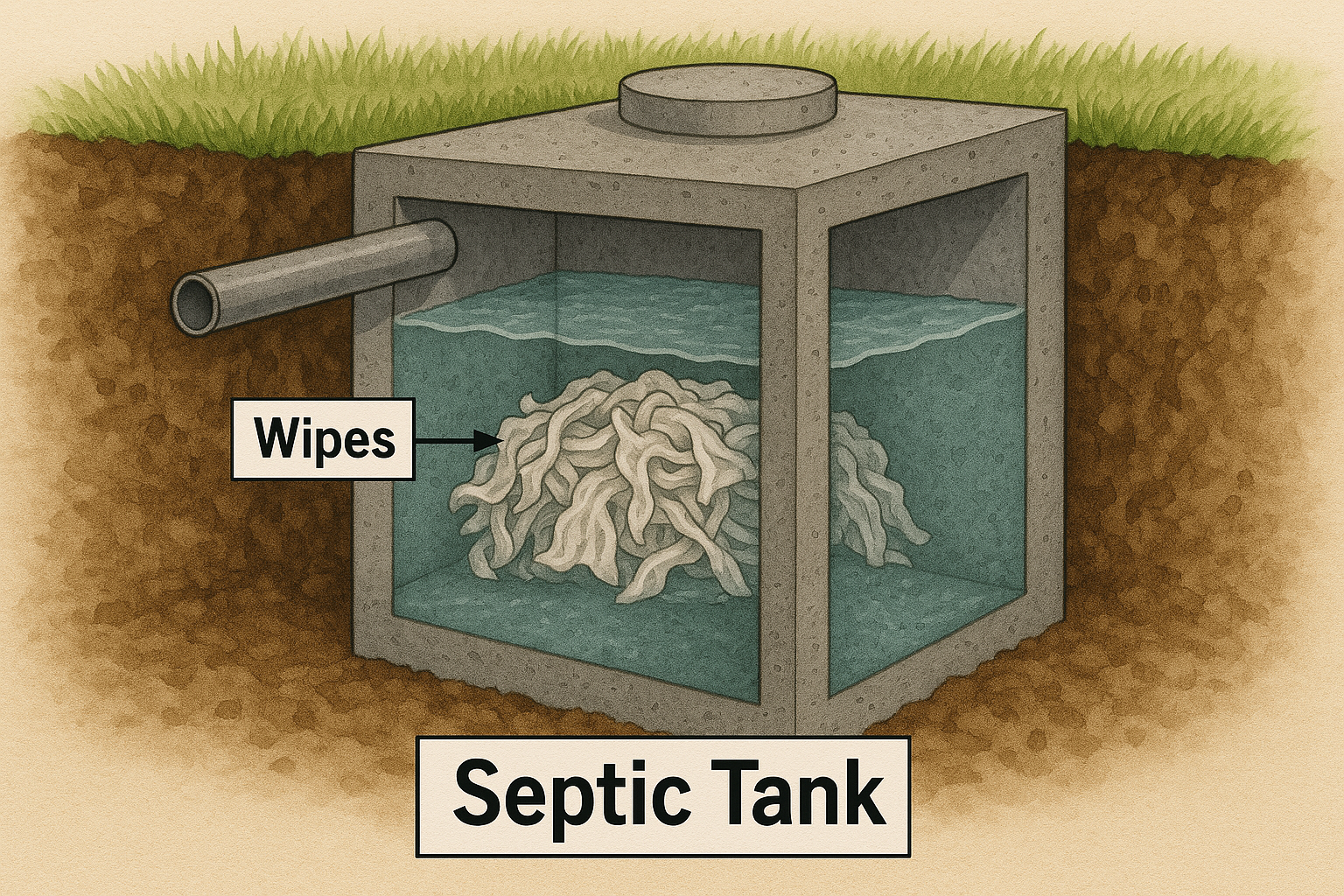
What goes into your septic system impacts how often it needs to be pumped. Solids from human waste and biodegradable materials break down over time, but non-biodegradable items like wipes, grease, and certain paper products accumulate and reduce the capacity of your tank.
Using a garbage disposal can also increase the frequency of pumping, as food waste creates additional sludge buildup.
4. Drain Field Health
Your septic system’s drain field helps filter wastewater before it reenters the environment. If your drain field is clogged or malfunctioning, your tank may fill up faster, leading to the need for more frequent pumpings.
General Pumping Guidelines
While the ideal pumping frequency varies, here are some general guidelines based on household size:
| Household Size | Recommended Pumping Frequency |
|---|---|
| 1-2 People | Every 4-5 years |
| 3-4 People | Every 3-4 years |
| 5+ People | Every 2-3 years |
For homes in Fresno and the Central Valley, we often recommend pumping every 3-4 years for a typical household. However, if you notice signs of a full septic tank, don’t wait—schedule a pumping sooner!
Warning Signs That Your Septic Tank Needs Pumping
Not sure if it’s time to pump? Watch out for these signs:
✅ Slow drains throughout the house
✅ Gurgling sounds in pipes and toilets
✅ Sewage odors inside or outside your home
✅ Standing water or extra-green grass near the drain field
✅ Sewage backing up in sinks, tubs, or toilets
If you experience any of these, call a professional septic pumping service immediately before a small issue becomes a major (and expensive) problem.
Why Regular Pumping Matters in Fresno
Septic systems in Fresno face unique challenges due to hot summers and occasional heavy winter rains. The heat can dry out soil, affecting your drain field, while rain can oversaturate the ground and reduce your system’s ability to drain properly.
Regular pumping ensures your tank doesn’t overflow, keeps your system working efficiently, and prevents costly damage.
Related questions
Septic additives can help break down waste and improve bacterial balance, but they don’t eliminate the need for pumping. Over time, solids build up in the tank, and no chemical or enzyme can make them disappear completely.
Just because your drains are flowing doesn’t mean your septic system is in good shape. Many problems, like drain field saturation or sludge buildup, develop slowly and may not cause noticeable issues until it’s too late. Routine inspections can catch issues early and prevent costly repairs.
Septic tanks and drain fields require proper ventilation and access to function properly. Parking heavy vehicles or building structures over them can compact the soil and damage pipes, so keep your drain field clear and avoid heavy loads on your septic area.
A well-maintained septic system can last 25-30 years or more, but neglecting maintenance or using the system improperly can significantly shorten its lifespan.
Related reading: how rainy winters affect your septic system, maintaining your septic system: essential tips for longevity, and what happens if you never pump your septic tank.
Schedule Your Septic Pumping Today
If you’re unsure when your last pumping was or suspect your tank is full, don’t wait for a messy surprise. Call Sequoia Pumping LLC at (559) 233-2400 for professional septic services in Fresno and the surrounding areas.
By staying on top of septic maintenance, you’ll save money, avoid headaches, and keep your system running smoothly for years to come.